Mindfulness and Relaxation Techniques
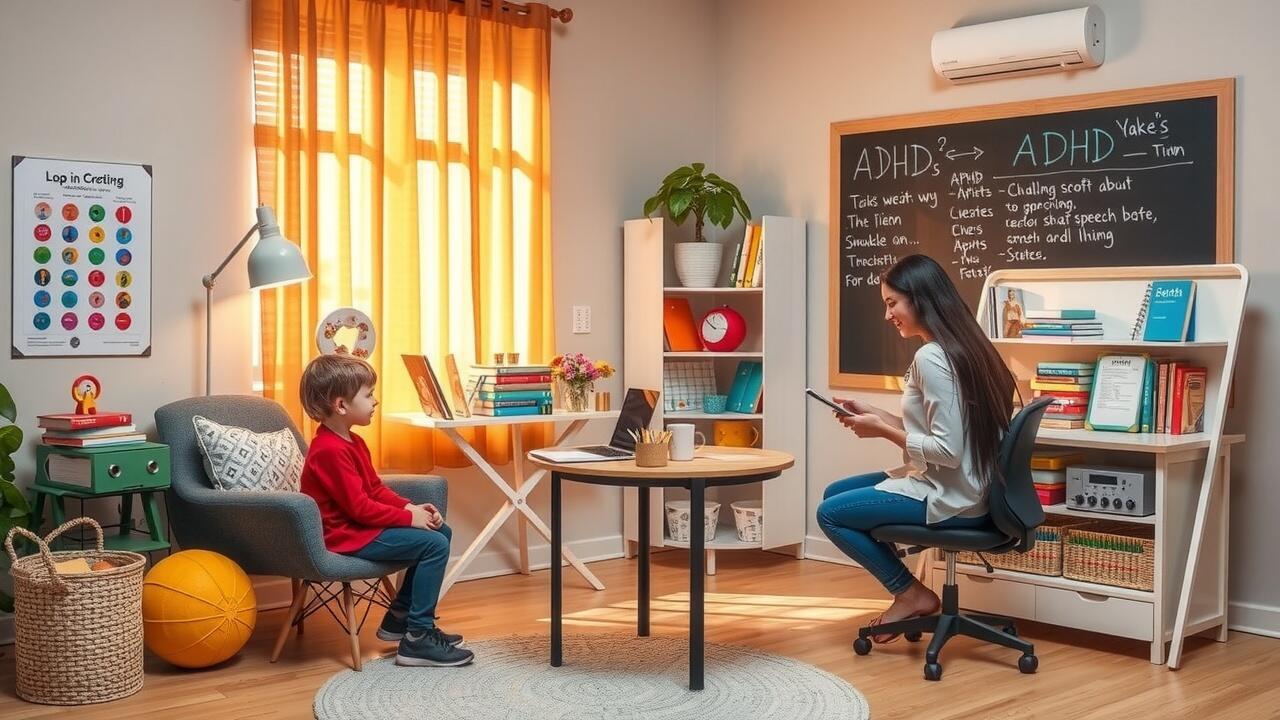
Mindfulness and relaxation techniques offer valuable tools for managing the symptoms associated with ADHD. These practices encourage children to focus on the present moment, which can reduce anxiety and improve attention. Techniques such as deep breathing exercises, guided imagery, and progressive muscle relaxation can help children develop self-regulation skills. Integrating mindfulness into daily routines provides a sense of calm and can enhance emotional resilience.
Families can support their children’s mindfulness practice by creating an environment conducive to relaxation. Setting aside time for quiet moments or engaging in mindfulness activities together can foster a sense of connection. As part of ADHD evaluation and treatment, incorporating these techniques may provide additional coping mechanisms that complement traditional therapies. This holistic approach promotes overall well-being and helps children thrive in various settings.
How Mindfulness Can Help Children with ADHD
Mindfulness practices can significantly benefit children diagnosed with ADHD by increasing focus and attention. Techniques such as deep breathing, guided imagery, and meditation help children become more aware of their thoughts and feelings. Engaging in these practices regularly fosters self-regulation, which can mitigate impulsive behaviors often seen in ADHD. Parents incorporating mindfulness into daily routines offer their children tools to manage distractions effectively.
Incorporating mindfulness into ADHD evaluation and treatment enhances overall therapeutic outcomes. Children learn to ground themselves and maintain emotional balance amidst challenges. This approach nurtures resilience and can instill a greater sense of control over their impulses. As families invest time in mindfulness, it can lead to improved interactions and a calmer home environment, benefiting both parents and children.
Nutritional Considerations for ADHD
Diet can play a significant role in managing ADHD symptoms. Research emphasizes the importance of a balanced diet that includes essential nutrients. Families may find it beneficial to focus on whole foods that are rich in proteins, omega-3 fatty acids, and vitamins. These nutrients can support brain health and overall well-being. Consulting a healthcare provider for ADHD evaluation and treatment can guide parents in making appropriate dietary choices tailored to their child's specific needs.
Certain foods may exacerbate symptoms in children with ADHD. Processed foods, high in sugar and artificial additives, can lead to increased hyperactivity and difficulty concentrating. Identifying and limiting these potential triggers is crucial. Families should consider working with a nutritionist who has experience in ADHD evaluation and treatment to develop a personalized nutrition plan that supports their child's needs while promoting better behavior and focus.
Foods to Include and Avoid
Nutrition plays a pivotal role in managing ADHD symptoms. Incorporating whole foods rich in omega-3 fatty acids, such as salmon, walnuts, and flaxseeds, may improve focus and reduce impulsivity. Leafy greens and colorful vegetables provide essential vitamins and minerals that can support brain health. Whole grains can aid in maintaining stable blood sugar levels, which is crucial for attention and concentration. Pairing these foods with lean proteins can enhance overall nutrient intake and promote sustained energy throughout the day.
On the other hand, certain foods may exacerbate ADHD symptoms. Processed foods high in sugar and artificial additives can lead to increased hyperactivity. Many families find that limiting preservatives and food colorings may help reduce behavioral issues. Caffeine and excessive sodium intake can also be detrimental, potentially leading to heightened anxiety or restlessness. Consulting a healthcare professional for an ADHD evaluation and treatment can help identify specific dietary influences on a child’s symptoms and support tailored nutritional strategies.
Collaborative Parenting Strategies
Active participation in a child's ADHD evaluation and treatment process is essential for effective collaboration among parents. Establishing a consistent approach allows both parents to present a united front in managing their child's behaviors and emotional needs. Regular communication about progress and challenges cultivates an environment where the child feels secure and understood. Sharing insights gathered from therapy sessions or school meetings can enhance this cooperative dynamic, ensuring that both parents are informed and aligned.
Creating structured routines and expectations diminishes confusion and anxiety for children with ADHD. Parents can work together to outline daily schedules, including homework time and recreational activities. Consistency in rules and consequences reinforces understanding while providing a framework that helps children navigate their daily responsibilities. Engaging in family discussions about ADHD evaluation and treatment helps children feel involved in their journey, promoting accountability and fostering respect for household rules.
Building a Supportive Home Environment
Creating a supportive home environment plays a crucial role in managing ADHD. Families can foster stability by establishing consistent routines. Predictability helps children feel secure and can reduce anxiety associated with ADHD. Designating specific areas for homework, play, and relaxation contributes to an organized space that enhances focus. Providing clear guidelines for behavior also aids children in understanding expectations.
In addition to structure, open communication is essential. Parents should encourage their children to express their feelings and challenges. This dialogue promotes understanding and empathy within the family unit. Collaborating on solutions for daily challenges can empower children and enhance their problem-solving skills. For families considering ADHD evaluation and treatment, a supportive home environment can significantly contribute to better outcomes and overall well-being.
FAQS
What are some mindfulness techniques that can help children with ADHD?
Mindfulness techniques such as deep breathing exercises, guided imagery, and yoga can help children with ADHD improve focus, reduce stress, and enhance emotional regulation.
How can nutrition impact ADHD symptoms?
Nutrition can play a significant role in managing ADHD symptoms. Certain foods can help improve concentration and decrease hyperactivity, while others may exacerbate symptoms.
What types of foods should be included in a diet for children with ADHD?
Foods rich in omega-3 fatty acids (like fish), whole grains, fruits, vegetables, and lean proteins are beneficial. These foods can support brain health and improve behavior in children with ADHD.
What foods should be avoided to help manage ADHD symptoms?
It’s advisable to limit or avoid processed foods, sugary snacks, artificial additives, and certain allergens, as they may trigger or worsen ADHD symptoms in some children.
How can parents create a supportive home environment for a child with ADHD?
Parents can create a supportive environment by establishing routines, using positive reinforcement, providing clear and consistent communication, and fostering open dialogue about feelings and challenges.