Substance Use Disorders
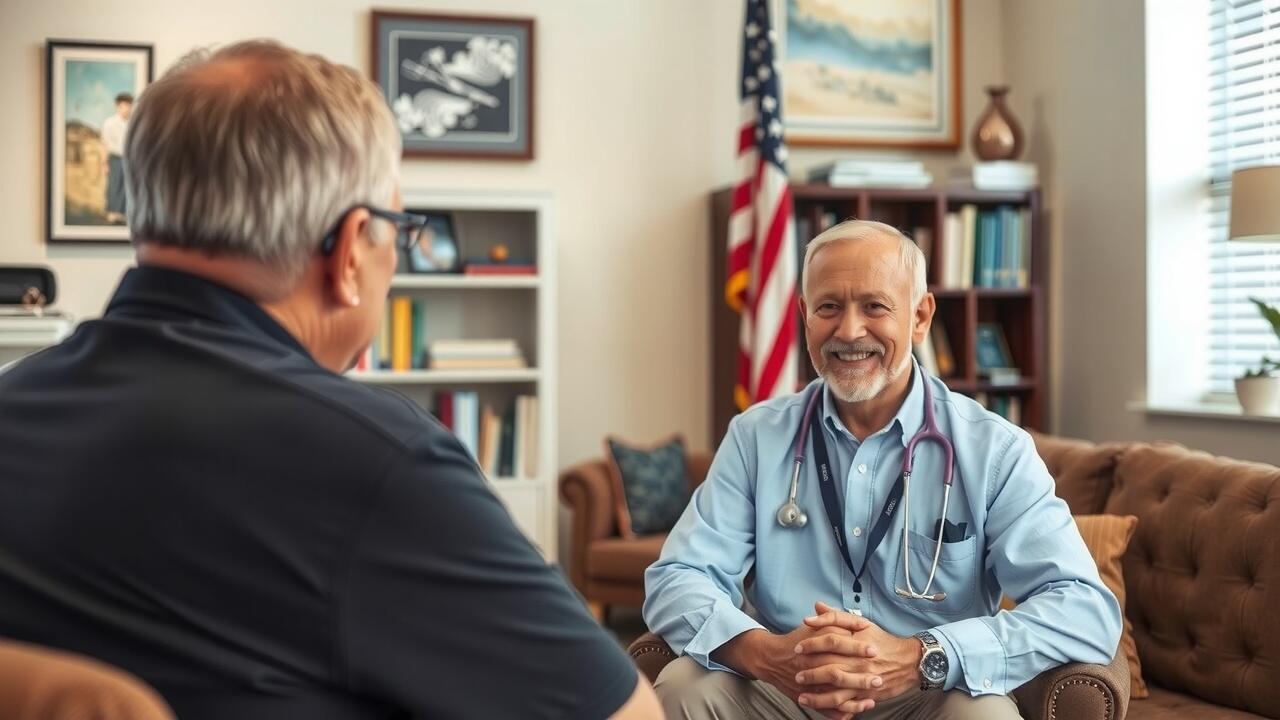
Substance use disorders (SUDs) are a significant concern among veterans, affecting their overall well-being and complicating existing mental health issues. Many veterans turn to alcohol or drugs as a means of coping with the trauma and stress associated with military service. This behavior often leads to a cycle of dependency that further exacerbates conditions such as PTSD, depression, and anxiety, creating a complex interplay between substance use and veterans' mental health.
The prevalence of substance use disorders in this population underscores the need for targeted interventions that address both addiction and mental health. Effective treatment must acknowledge the unique experiences of veterans, including exposure to combat and the challenges of reintegration into civilian life. By tailoring support and resources to meet these specific needs, it becomes possible to foster healthier coping mechanisms and improve overall mental health outcomes for veterans facing substance use challenges.
The Relationship Between Substance Abuse and Mental Health
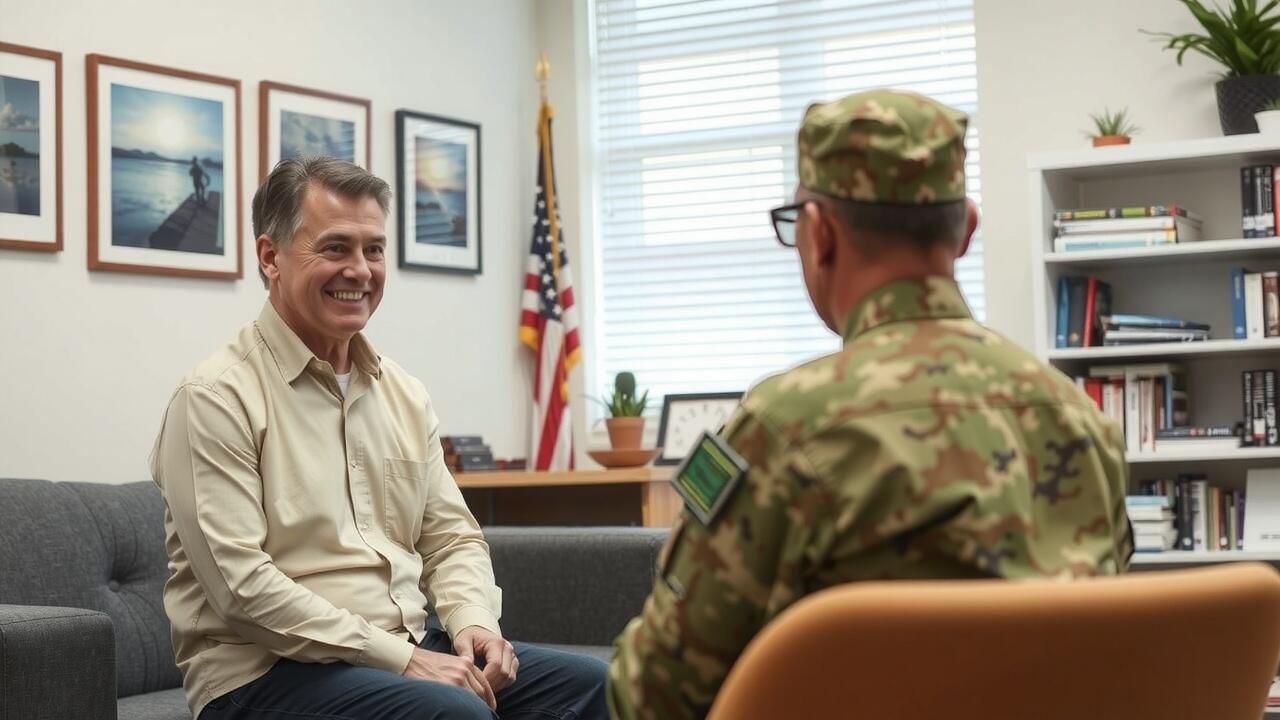
Substance use disorders are often intertwined with various mental health issues. For many veterans, experiences of trauma or high levels of stress may lead to the use of substances as a coping mechanism. This relationship creates a complex cycle where substance abuse can exacerbate symptoms of mental illnesses like PTSD or depression. Without appropriate intervention, the dual challenges of managing both mental health and substance use can be overwhelming for veterans.
The impact of substance use on veterans’ mental health is significant and multifaceted. Engaging in substance abuse can hinder individuals from accessing the support networks they need, further isolating them from family and community. Recovery often entails addressing both mental health concerns and substance use disorders simultaneously. Enhanced awareness and tailored resources are essential for effectively supporting veterans mental health in their journey toward recovery.
The Role of Social Support
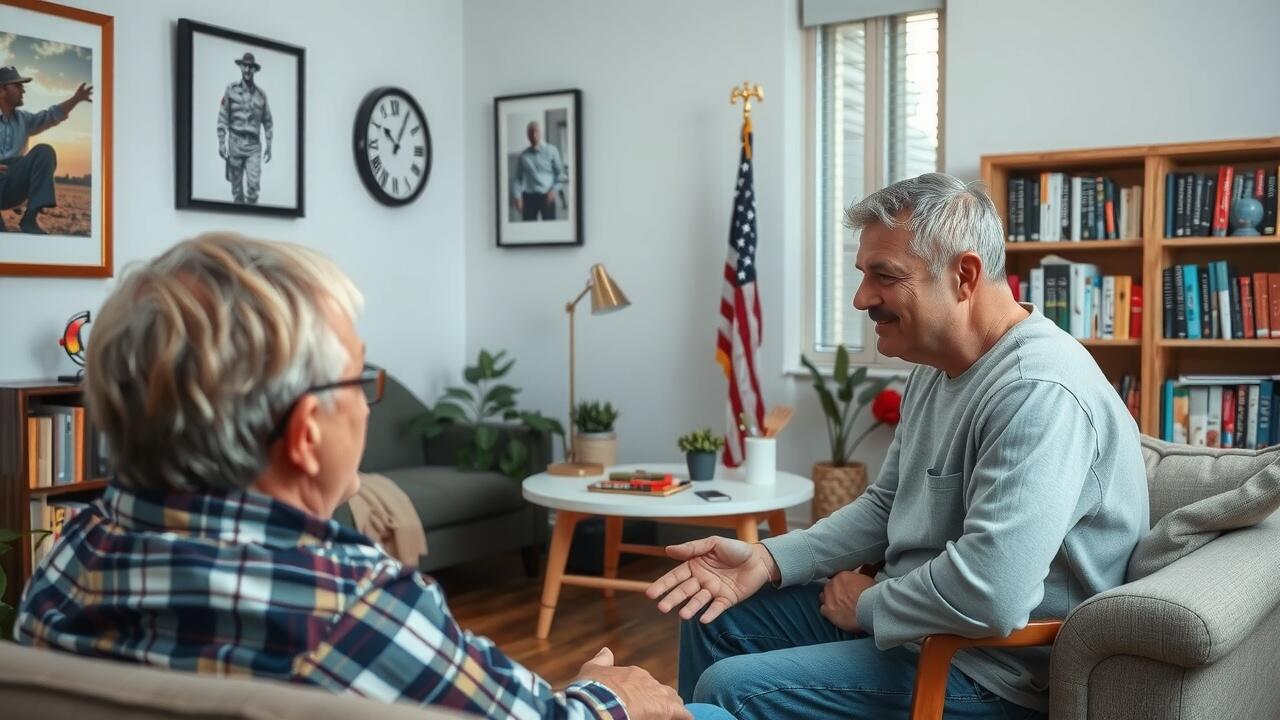
Social support plays a crucial role in the mental health of veterans. The experiences and traumas faced during service can lead to feelings of isolation and alienation. In these moments, supportive relationships with peers, family, and community members can provide a much-needed buffer against stress and emotional distress. Engaging with others who share similar experiences fosters understanding and encourages veterans to open up about their struggles, which is vital for recovery.
The importance of community cannot be overstated when discussing veterans mental health. Community programs and organizations focused on veterans offer a platform for connection, allowing individuals to share coping strategies while building a sense of belonging. Family support also significantly influences recovery outcomes. When family members are educated about the challenges their loved ones face, they can better provide the empathy and understanding needed for healing.
Importance of Community and Family in Recovery
Community and family play a crucial role in the recovery process for veterans struggling with mental health challenges. The support systems established within these networks can provide a sense of belonging and understanding. Engaging with loved ones fosters open communication, allowing veterans to express their feelings and experiences related to their mental health. This creates an environment conducive to healing, as social connections can significantly alleviate feelings of isolation often reported by veterans.
Moreover, veterans mental health can be greatly enhanced through participation in community activities and support groups. These settings encourage camaraderie and shared experiences, helping individuals cope with their challenges in a collective manner. Connecting with others who have similar backgrounds can offer invaluable insights and strategies for managing symptoms. The encouragement and validation received from peers and family members can reinforce a sense of purpose and hope during the recovery journey.
Treatment Options for Veterans
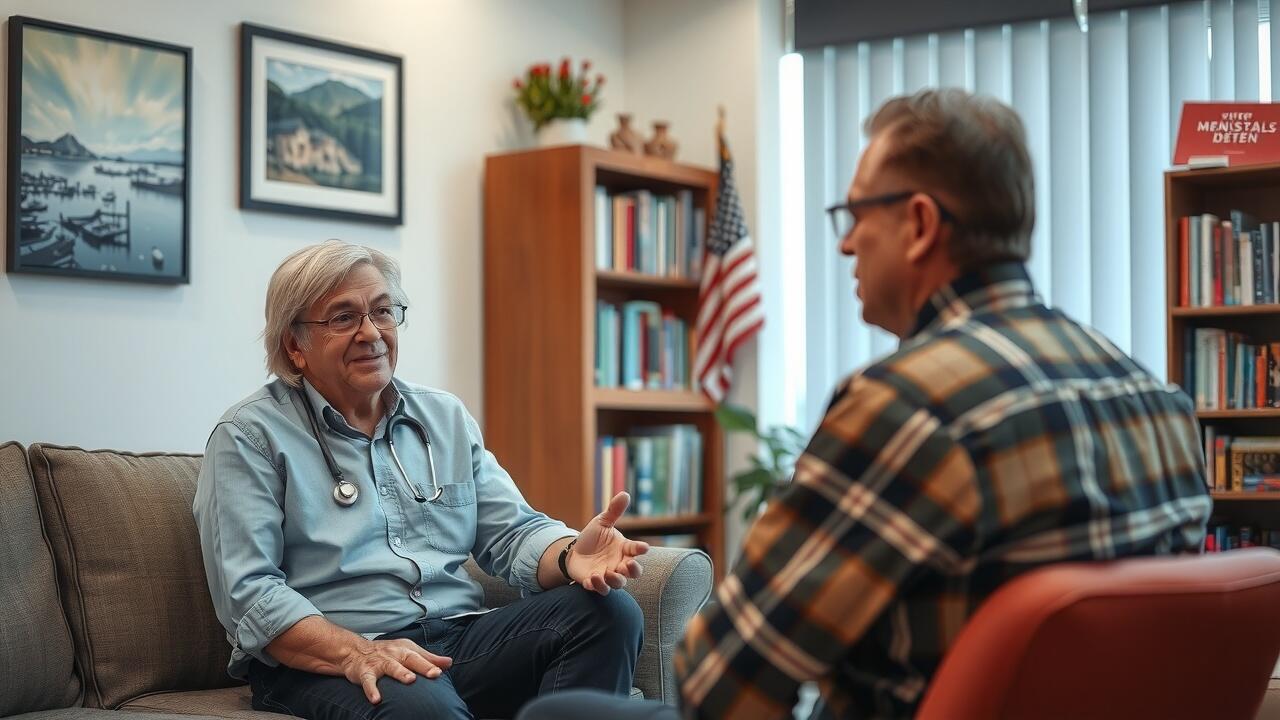
Veterans with mental health challenges often benefit from a range of treatment options tailored to their unique experiences and needs. Evidence-based therapies such as Cognitive Behavioral Therapy (CBT) and Eye Movement Desensitization and Reprocessing (EMDR) have shown effectiveness in treating PTSD and anxiety disorders common among veterans. These approaches help individuals process traumatic memories and develop coping strategies to manage symptoms. Additionally, medication management is a critical component for some, particularly in cases where anxiety or depression significantly affects daily functioning.
Veterans Mental Health programs are increasingly emphasizing the importance of holistic care. Integrative practices such as mindfulness meditation, yoga, and peer support groups can enhance traditional therapeutic methods. These programs not only address psychological symptoms but also promote physical well-being and social connectedness. Tailored interventions that incorporate both mainstream and alternative treatments often lead to better outcomes, focusing on the comprehensive recovery journey for veterans.
Evidence-Based Therapies and Interventions
Evidence-based therapies play a crucial role in addressing the mental health needs of veterans. Cognitive Behavioral Therapy (CBT) has emerged as one of the most effective treatments for conditions such as PTSD, depression, and anxiety among veterans. This structured approach helps individuals identify negative thought patterns and develop healthier coping mechanisms. Other modalities, including Eye Movement Desensitization and Reprocessing (EMDR) and exposure therapy, have also shown promise in alleviating symptoms linked to trauma. These interventions are tailored to meet the unique experiences and challenges faced by veterans, ensuring they receive focused and effective care.
In addition to psychotherapies, pharmacotherapy can be an important component of treatment for veterans struggling with mental health issues. Medications may be prescribed to manage symptoms of anxiety, depression, and PTSD, contributing to overall wellness. The integration of these pharmacological options with evidence-based therapies facilitates a comprehensive approach to veterans’ mental health. Moreover, ongoing research continues to expand the arsenal of interventions available, enabling healthcare providers to customize treatment plans that align with each veteran's specific needs.
FAQS
What is the most common mental illness in veterans?
The most common mental illness in veterans is post-traumatic stress disorder (PTSD), though other conditions such as depression and anxiety are also prevalent.
How do substance use disorders affect veterans?
Substance use disorders can significantly impact veterans' mental health, often leading to a cycle of addiction that exacerbates conditions like PTSD and depression.
What role does social support play in the recovery of veterans with mental health issues?
Social support is crucial for veterans recovering from mental health issues, as strong connections with family and community can enhance resilience and improve treatment outcomes.
What types of treatment options are available for veterans struggling with mental illness?
Veterans have access to various treatment options, including evidence-based therapies such as cognitive behavioral therapy (CBT), medication management, and support groups tailored to their experiences.
How can families support veterans dealing with mental health challenges?
Families can support veterans by providing understanding, encouragement, and a safe environment to discuss their feelings, as well as helping them seek professional help when needed.