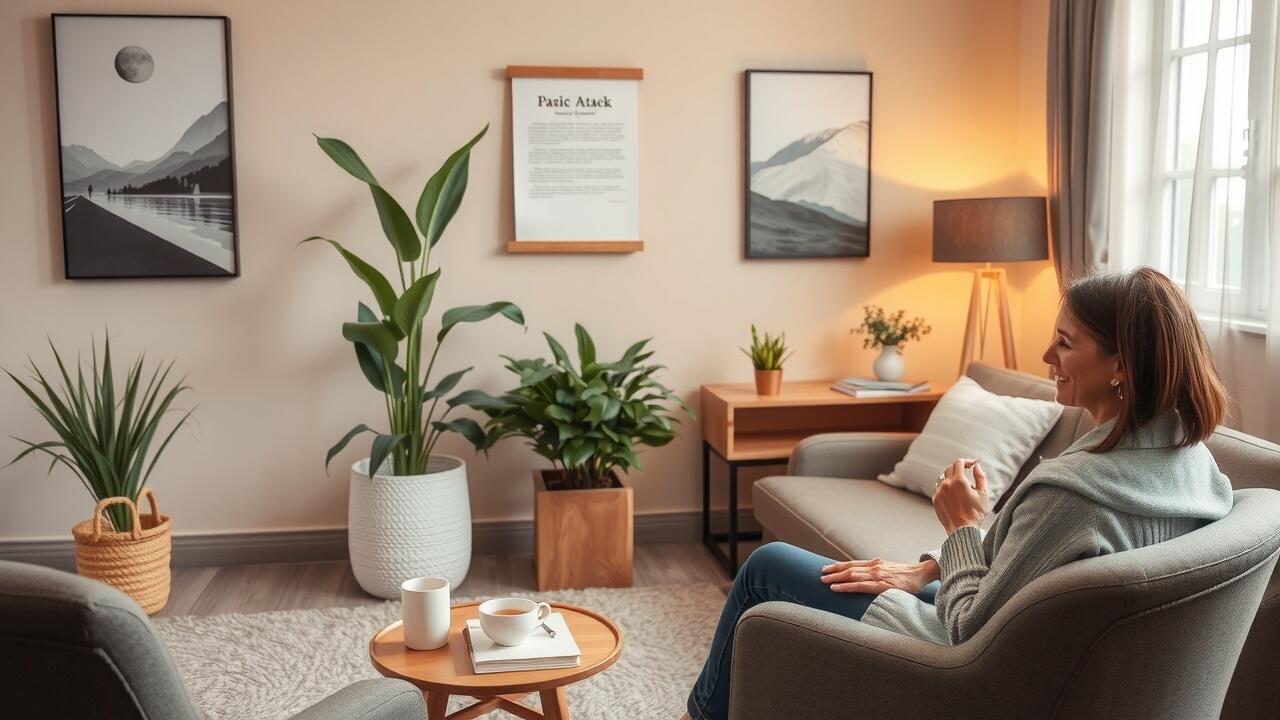
Breathing Techniques
Breathing techniques play a crucial role in managing panic attacks for many individuals. These methods can help restore a sense of control and reduce the body's stress response during an episode. Simple exercises, such as diaphragmatic breathing or the 4-7-8 method, focus on deep and controlled breaths. Practicing these techniques regularly can enhance their effectiveness during high-stress situations, making them an essential aspect of any panic attack treatment plan.
Additionally, incorporating breathing techniques into daily routines can offer long-term benefits for overall mental health. By dedicating a few minutes each day to focused breathing, individuals can build resilience against anxiety and develop a greater awareness of their physical and emotional states. This proactive approach complements other treatments for panic attacks, creating a well-rounded strategy for managing anxiety in everyday life.
Methods to Calm Panic Attacks
Individuals experiencing panic attacks often find relief through a variety of calming techniques. Deep breathing exercises are commonly recommended. Focusing on slow, deliberate breaths helps regulate the body's response to anxiety. Techniques such as inhaling for four counts, holding for four counts, and exhaling for six counts can provide immediate relief. Establishing a regular practice may improve overall anxiety management, making it an essential component of panic attack treatment.
Progressive muscle relaxation is another effective method. This technique involves systematically tensing and then relaxing each muscle group. By concentrating on physical sensations, individuals can divert their focus away from anxious thoughts. Engaging in this practice regularly can create a greater awareness of bodily responses to stress. Such methods are integral to a comprehensive approach to panic attack treatment, providing tools that empower individuals to manage their symptoms more effectively.
Mindfulness and Meditation
Mindfulness and meditation have gained recognition as effective strategies for managing anxiety and reducing the frequency of panic attacks. These practices encourage individuals to focus on the present moment, allowing them to observe their thoughts and feelings without judgment. Incorporating mindfulness techniques into daily routines can help individuals develop a greater awareness of their bodily sensations, which is particularly useful during a panic attack. Such awareness can lead to a calming effect and diminish the intensity of the symptoms experienced.
Meditation provides a structured approach to achieving mindfulness, often emphasizing breath control and visualization. These techniques can serve as a valuable Panic Attack Treatment tool by training the mind to respond differently to anxiety triggers. Regular meditation practice has not only been linked to reduced anxiety levels but also to increased emotional resilience, making it a strong complement to other therapeutic methods. Through consistent engagement with mindfulness and meditation, individuals can experience a shift in their response to stressful situations and improve their overall mental health.
Benefits of Mindfulness for Anxiety
Mindfulness practices have gained recognition for their effectiveness in managing anxiety and reducing the frequency and intensity of panic attacks. By focusing on the present moment, individuals can create a mental space that alleviates the overwhelming feelings often associated with anxiety. Techniques such as mindful breathing and body scanning encourage awareness and acceptance of physical sensations, which can help in discerning between feelings of anxiety and actual danger. This distinction is crucial for those seeking effective panic attack treatment.
Additionally, engaging in mindfulness meditation promotes emotional regulation. Regular practice can enhance the ability to observe thoughts and feelings without judgment. This shift in perspective enables individuals to respond to anxiety triggers with a sense of calm rather than react impulsively. By incorporating mindfulness into daily routines, people can foster resilience against panic attacks, ultimately contributing to a more stable emotional state.
Support Groups and Community Resources
Support groups and community resources offer essential support for individuals experiencing panic attacks. These groups provide a safe space for sharing experiences, gaining insights, and developing coping strategies. Members often find comfort in connecting with others who understand the challenges associated with panic attacks. Additionally, many communities have organizations dedicated to mental health, offering workshops and seminars that focus on techniques for managing anxiety.
Finding local support options can significantly enhance the effectiveness of panic attack treatment. Many communities host regular meetings where individuals can discuss their experiences and learn from each other. Online directories and local health agencies often list resources, making it easier to find groups that meet in person or virtually. Engaging with these resources can foster a sense of belonging, which may be beneficial in navigating the journey toward recovery from panic attacks.
Finding Local Support Options
Finding appropriate local support options can significantly enhance one's ability to manage panic attacks. Community resources often include workshops and support groups tailored to individuals facing anxiety and panic-related challenges. Many local mental health organizations provide listings of support meetings, which can serve as a beneficial space for sharing experiences and coping strategies. These gatherings foster a sense of belonging and understanding, easing the feelings of isolation that often accompany panic disorders.
Additionally, healthcare providers frequently collaborate with local resources to offer integrated support for panic attack treatment. Many clinics and hospitals maintain connections with therapists and counselors in the area. This network can facilitate referrals to professionals who specialize in anxiety management. Exploring options such as therapy sessions, group counseling, or educational workshops can provide individuals with the tools they need to effectively navigate their experiences with panic attacks.
FAQS
What are panic attacks, and how do they manifest?
Panic attacks are sudden episodes of intense fear or discomfort that peak within minutes. Symptoms may include rapid heartbeat, sweating, trembling, shortness of breath, and feelings of impending doom.
How do breathing techniques help during a panic attack?
Breathing techniques can help regulate your breathing and reduce hyperventilation, which is common during a panic attack. Focusing on slow, deep breaths can promote relaxation and help manage anxiety.
Can mindfulness and meditation prevent panic attacks?
While mindfulness and meditation may not completely prevent panic attacks, they can significantly reduce anxiety levels and improve emotional regulation. Practicing these techniques regularly can help you respond to stress more effectively.
Are support groups effective for those experiencing panic attacks?
Yes, support groups can provide a sense of community and understanding. Connecting with others who share similar experiences can offer emotional support, coping strategies, and encouragement during recovery.
What should I do if my panic attacks persist despite trying these treatments?
If panic attacks persist, it is important to consult a mental health professional. They can assess your condition and recommend appropriate therapies, which may include cognitive-behavioral therapy (CBT) or medication.