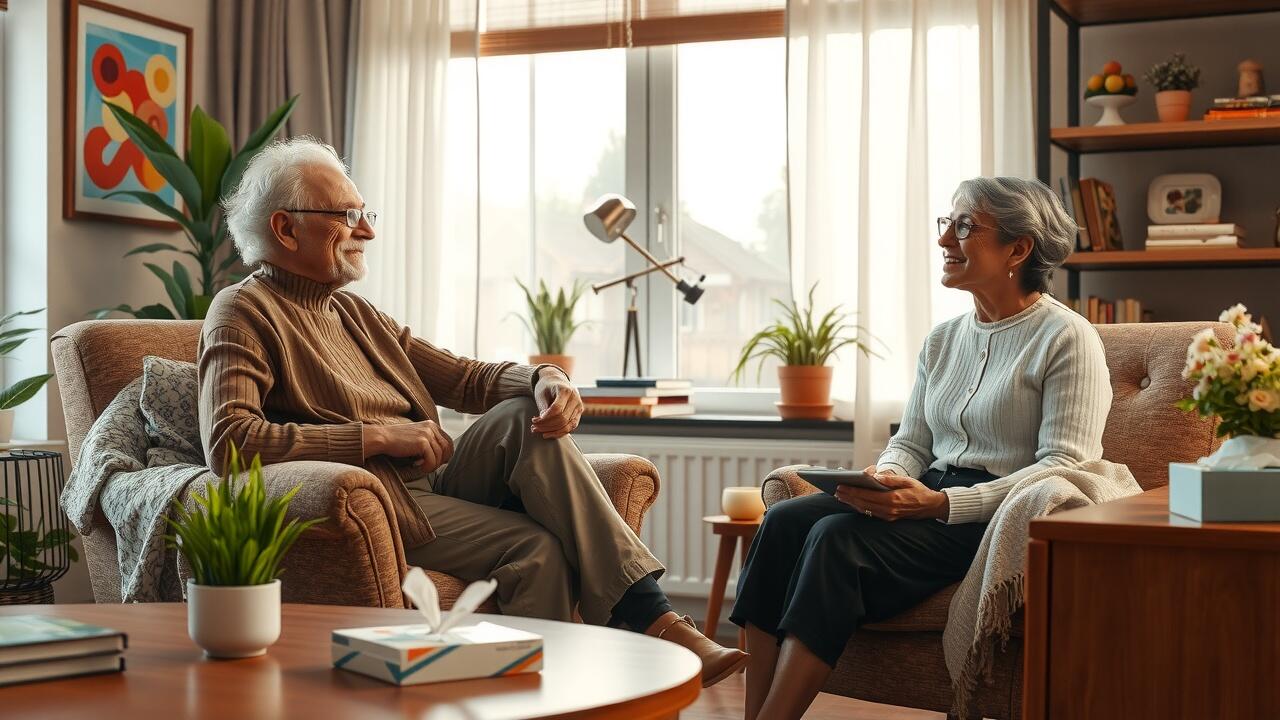
How to Choose the Right Geriatric Psychiatrist
Choosing the right geriatric psychiatrist is an essential step in addressing the unique mental health needs of older adults. It is important to look for a professional who specializes in geriatric mental health, as they possess specialized knowledge about age-related psychological issues and the nuances of treating older patients. Start by seeking recommendations from primary care physicians or geriatricians who understand the specific challenges faced by seniors. Online reviews and directories can also provide valuable insights into the psychiatrist’s expertise and patient satisfaction.
When assessing potential geriatric psychiatrists, consider their experience in dealing with conditions such as anxiety, depression, or dementia that commonly affect older adults. Evaluate their approach to treatment, whether they prioritize medication, therapy, or a combination of both. Ensuring that the psychiatrist communicates effectively and demonstrates compassion towards both the patient and their family is crucial. This supportive environment can significantly enhance the journey toward improved mental well-being.
Factors to Consider When Making a Selection
When selecting a geriatric psychiatrist, it is essential to consider their experience with geriatric mental health. Professionals who specialize in this area understand the unique challenges faced by older adults. Their expertise often includes managing conditions such as depression, anxiety, and cognitive decline, which are prevalent among seniors. A psychiatrist with a strong background in geriatric care can provide insightful assessments, tailored therapies, and interventions that resonate with the needs of older patients.
Another critical factor is the psychiatrist's approach to treatment and their willingness to involve family members in the process. Family dynamics can significantly influence an older person's mental health and overall well-being. A psychiatrist who values collaboration will seek to include loved ones in discussions and decisions about care, ultimately fostering a supportive environment. This holistic approach not only helps patients feel more comfortable but can also enhance treatment effectiveness.
Treatment Modalities Offered
Geriatric psychiatrists utilize a variety of treatment modalities to address the complex mental health needs of older adults. These modalities include psychotherapy techniques tailored to the aging population, such as cognitive-behavioral therapy and supportive therapy. In addition to talk therapy, medication management is a critical component of treatment, ensuring that medications are appropriate for the patient's age and overall health. This careful oversight can help mitigate side effects and interactions with other medications commonly prescribed for chronic conditions.
The approach to geriatric mental health often involves a multidisciplinary team that may include psychologists, social workers, and primary care providers. This collaborative strategy allows for a comprehensive understanding of the individual's medical history and mental health status. Family involvement is frequently incorporated into the treatment plan, fostering communication and support for the patient. By engaging loved ones, geriatric psychiatrists can enhance the effectiveness of interventions, providing a more holistic approach to mental well-being in older adults.
Therapy Options and Medication Management
Geriatric Mental Health focuses on addressing the unique psychological and emotional needs of older adults. Treatment options often include various types of therapy tailored to individual circumstances. Cognitive-behavioral therapy (CBT) is commonly used to help manage anxiety and depression by altering negative thought patterns. Other modalities, such as supportive therapy and mindfulness-based approaches, may also play a significant role in fostering emotional resilience among seniors.
In addition to therapy, medication management is an essential aspect of treatment. Geriatric psychiatrists carefully evaluate and prescribe medications, considering the specific health conditions and potential interactions with other medications that older adults may be taking. A comprehensive approach ensures that patients receive the most effective pharmacological support, helping to alleviate symptoms of mental health disorders while minimizing side effects. Regular follow-ups are crucial to adjust dosages and monitor effectiveness, ensuring optimal mental well-being in older adults.
The Importance of Family Involvement
Family involvement is crucial in the realm of geriatric mental health. Older adults often face challenges that can affect their cognitive and emotional well-being. Having family members engaged in the treatment process can provide valuable insights into the patient's history and current challenges. This collaboration helps create a comprehensive understanding of the individual's needs and supports more effective treatment strategies.
Involving loved ones also fosters a supportive environment for the patient. It encourages open communication, which can reduce feelings of isolation and confusion. Family members can assist in monitoring medication adherence and recognizing any changes in mental health. Their participation not only enhances the therapeutic process but also strengthens the emotional connections that are vital for the overall well-being of the older adult.
Engaging Loved Ones in the Treatment Process
Involving family members in the treatment process can enhance the overall effectiveness of care for older adults facing mental health challenges. Family dynamics play a significant role in the support system surrounding an individual. Open communication fosters understanding, allowing loved ones to contribute to discussions about treatment goals and strategies. This approach can strengthen relationships and build a foundation of trust.
Geriatric Mental Health often addresses complex issues such as depression, anxiety, and cognitive decline. When family members are engaged, they can better recognize changes in the individual’s behavior or mood. This awareness enables them to communicate these observations to the psychiatrist, facilitating more accurate assessments. Involvement not only empowers families but also creates a collaborative environment where everyone works towards the well-being of the older adult.
FAQS
What is a geriatric psychiatrist?
A geriatric psychiatrist is a medical doctor who specializes in diagnosing and treating mental health issues in older adults, focusing on the unique challenges and needs of this population.
Why might someone consider seeing a geriatric psychiatrist?
Individuals may seek the support of a geriatric psychiatrist for various reasons, including managing age-related mental health issues, such as depression, anxiety, dementia, or cognitive decline.
How can family involvement benefit the treatment process with a geriatric psychiatrist?
Family involvement can enhance the treatment process by providing additional support, helping to ensure that the patient's needs and concerns are addressed, and improving communication between the psychiatrist and the patient.
What types of therapies do geriatric psychiatrists generally offer?
Geriatric psychiatrists typically provide various therapy options, including psychotherapy, cognitive behavioral therapy (CBT), and medication management tailored to the specific needs of older adults.
What factors should I consider when choosing a geriatric psychiatrist?
When selecting a geriatric psychiatrist, consider their experience with older adults, their approach to treatment, communication style, availability, and any recommendations from healthcare providers or family members.